The HR Community Podcast
Subscibe here: https://www.youtube.com/@civitastalent_HRrecruitment
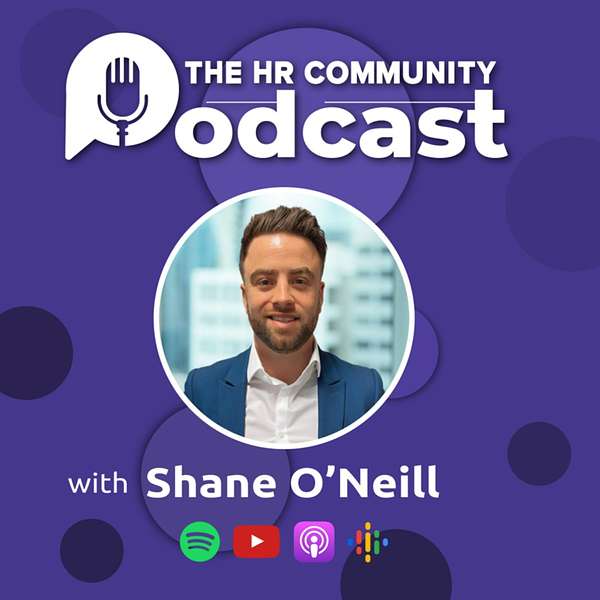
Civitas Talent is excited to bring you a series of podcasts dedicated to the HR community. This is a space where you can learn best-practice solutions from HR community leaders, with host Shane O'Neill.
Whether you’re a CEO, HR executive or operating across the wider HR sector - this podcast is for you!
The HR Community Podcast
Inside A Chief Talent Officer’s Playbook with Derek Del Simone Abano Healthcare Group
Hiring in shortage markets can’t be an admin exercise. We sit with Derek Del Simone, Chief Talent Officer at Abano Healthcare Group, to map out how Talent becomes a true growth engine—separate from HR yet tightly partnered—and why a single clinical hire can change a practice’s P&L. Derek shares the journey from an ill-fitting ATS to an AI-enabled stack that removes drudge work, sources international clinicians at scale, and frees recruiters to build real relationships. We get practical on what to automate, what to measure, and how to tell a financial story that wins buy-in from CEOs, COOs, and operations leaders.
You’ll hear why job boards are fading, how to train AI rather than “set and forget,” and what it takes to keep candidates engaged through visas, accreditation, and relocation. We also dive into internal mobility and retention as core parts of the market, not afterthoughts. Derek outlines the operating rhythm that prevents burnout—clear metrics, flexible hours for global outreach, and AI handling after-hours FAQs—so teams can sustain high performance without losing their edge. Along the way, we explore the case for giving Talent its own seat at the table, how award submissions can build brand credibility, and the governance of an AI Council to keep tools aligned with strategy.
If you lead People, Talent, or operations in healthcare or any hard-to-hire sector, this conversation gives you a blueprint to move from reactive hiring to proactive, ROI-driven growth. Subscribe for more candid playbooks from leaders who are building the next generation of TA, leave a review to share what resonated, and pass this along to someone who needs a smarter approach to hiring.
Welcome to the HR Community Podcast. My name is Shane O'Neill, founder of Philip Task Talent, the HR and HSC recruitment community. Each episode we will host HR leaders and discuss their journey and discover best practice HR solutions across the HR industry. Whether you're a CEO, HR executive, or operating across the wider HR space, this podcast is for you. Please like and subscribe, and don't forget to comment and share your views. Enjoy the episode. Good morning, everyone. Welcome back to another episode of the HR Community Podcast. This morning I'm here with Derek Del Simone. Derek is the Chief Talent Officer at Abbano Healthcare Group. Good morning, Derek.
SPEAKER_01:Hey Shane, thanks for having me on the on the chat.
SPEAKER_00:Oh good. Oh good. Derek and I connected, I think, for the first time a couple of months ago at the talent awards. And sort of this this has been in the pipeline for a little bit in between our busy travel and work schedule. So no, I appreciate your uh your time, Derek. I guess back over to you, really. Tell us a little bit about who you are, tell us a bit about your role, and obviously tell us a little bit more about Abano Healthcare Group.
SPEAKER_01:Yeah, sure. It has been a while, hasn't it, since things so earlier in the year? But uh as you mentioned, I'm the chief talent officer at Ubano. We've got a unique structure where I have a counterpart who is the chief people officer, and I look after the talent side of the organization. So we we have two separate divisions that look after our people and our talent and organization. We are 230 dental practices across Australia and New Zealand, the largest dental support organization in the region. Yeah, wow. And he's he's done I'm a I'm a career recruiter, ex-external. He's done the the shift internal and been in the internal for nine years now. And sort of work worked my way through internal talent roles to where I am now.
SPEAKER_00:Yeah, that's great. That's great. And you you sort of touched on a little bit. So started your recruitment career in in external, in agency land, and then sort of moved into internal. Can you recall, I guess, what what was the motivation there? Were you just keen to see was the grass greener, or you know, was that always going to be the plan for you, Derek?
SPEAKER_01:Yeah, look, it wasn't I don't think it was ever the plan. I survived, I was in financial services, financial services actuarial recruitment during the time of the GFC, and that uh that was a significant butt-kicking, that time period for recruitment, and moved into healthcare recruiting at the time externally, and then one day just happened to see an advert for vet partners, and I thought, oh great, I get to play with puppies and kittens all day and uh work with animals. And I think the age old truth of don't work with animals and kids is probably a a good experience I've had in my in my life. So um yeah, I took the opportunity to join internal and go internal to to establish the recruitment and TA division there at a at Vet Highlanders, and then my curious sort of taken off off from there and gone down the transformation journey, going in and turning TA functions or Greenfield TA functions into more proactive, business-centric and growth-driven uh functions in the company. And I kind of feel, you know, we've all been through it, recession happens, TA gets hammered and decimated with redundancies and all that, and and same as our colleagues in HR and all that. And I I'm quite passionate about the fact that TA is a growth driver for an organization and that we have to be more proactive and seeing as a as a com a commercial business driver in a company rather than sort of a support function, admin support function.
SPEAKER_00:Yeah, yeah, yeah. And I was gonna probe you more on that, and I'm sure anyone listening will be keen to hear, particularly with the fact you've got that sort of uh structure in your business where you're the chief talent officer and you work very closely with the people in culture team, but obviously talent has their own structure and entity. But before I do, I mean, you talk a little bit about transformation there as well, Derek. Have you found that the businesses that you've worked in, they've been very much behind let's drive change and transformation and quite progressive or proactive, or have you sort of had to help guide them and and sort of get buy-in as well?
SPEAKER_01:Yeah, look, I think it's for my first internal role was with Vent Partners, and and that was to set up the set up the recruitment function. Vent Partners had only just formed about 15 months before I started, so it was a new function, and we had to be proactive in regards to how we sourced veterinarians in the market space. I was tapped on the shoulder to go to a competitor five years later, and and that was to go in and transform their reactive recruitment function into more of a proactive recruitment function rather than sort of advertising and wait for candles to come in. And you know, we have to be more aggressive or or you know, recruit harder, as they would say. And probably from there, that's where my journey took into recruiting smarter and thinking about the long game is not just about recruiting, feeling filling the top of the bucket when you know you get a leak, leaky bottom of the bucket also always creates drama. And luckily enough for me, my former CEO from Vent Partners came across to a bono and tapped me on the shoulder to go and do what I've uh what I've done previously with him here. So it's always been you know, recruitment or the TA teams I've I've led have been in a reactive state, and it's it's been more of an administrative state, and it is transferring them into a proactive business driver to drive growth. You know, the the roles we we fulfill are accountable for bottom line revenue. You know, a dentist brings in half a million dollars, a a vet can bring in half a million dollars. So it's really changed changing the story of you know hiring business of revenue that we can bring into the business.
SPEAKER_00:And and with the clinical, veterinary, dental, that that whole space that you've operated in for for many years now, like have you have you found it, and I'm talking more about the the recruitment side, like have you found it it's getting harder to find talent? Have you found the supply getting shorter or yeah?
SPEAKER_01:It's getting harder. And we have Catholic universities, universities are bringing in more international students, non-investing uh in their English language skills. So when they graduate, they struggle to find work in in in in Australia because they're not communicating at the level that we need for for our patients. So they're going back home. And then we've put regulatory restraints in there also from international candidates who can't practice here. You know, we we may have three of our universities in the top 50 universities in the world, but you know, for candidates coming into the country, we may only take two of those top 50 graduates into our countries, Australia and New Zealand. So we're saying no to a lot of candidates that could potentially come in. And I'm all for keeping clinical standards, but I think we have to also become a bit more realistic that there are some strong countries out there with great education backgrounds and and facilities that should we should sort of open up our mindset and guess what that unfortunately.
unknown:Yeah.
SPEAKER_01:But I think it's definitely hardest-wind candidates is a constant source of pain every day for us.
SPEAKER_00:Yeah, that's interesting. And I guess when you're in that sort of um space as well, I mean, I look at in my talent and HR community, like some of the buzzwords and and some of the healthcare companies that we've partnered with, you know, you hear about talent pooling and proactive sourcing, and which I mean obviously sound like a a good strategy, but it sounds like everyone's trying to do that as well. So with that extremely short supply of talent, Derek, you know, with when those buzzwords are sort of coming out, recruiting harder and doing more talent pooling and more talent pooling of the same talent your competitors are, it just doesn't seem to be enough. Like what what sort of levers are you finding are actually making a making a difference?
SPEAKER_01:Yeah, look, I I think you know, talent pooling and and productive search is you know, we all we all talk about it, and I'm an ex external agency headhunter, so I've I've come up the ranks of researching, mapping out your market space and knowing it. And I think for us, it's building connection with the candidates and the levers that we're looking at is definitely utilizing tech and AI to access candidates earlier and to help. Uh, we're we're all ex-recruiters, we all hate doing reference checks, and we all hate doing admin and using the database. I I get it. And so for me with my team at the moment, it's really about where can I alleviate the pain points or the areas that my team hate doing or admin heavy so that they can focus on building connection with the mark with the market space so that they can understand, you know, and be strategic in regards to how they they think about what the roles that they recruit for and partner with the business to find the right candidate, you know, if it's going into graduate recruitment or supporting an international candidate coming to the country to get their accreditation and to work as a clinician. Uh so just being proactive in regards to that that element of it and really looking at, and I think you know, I have said this a few times in the past, and I'd probably more aligned with it at the moment, is I think talent acquisition has to move talent engagement method and and terminology, because internal talent pool is just as big as our external talent pool. And if we lose that, then you know we have to really look at you know, that retention and truth and rates, how do we provide more flexibility for our staff? How do we you know retain them and move them through because it's it's harder, it costs more to replace them and then to retain them.
SPEAKER_00:Yeah, massively, yeah. And and it's interesting you touched on it there as well with the engagement piece. And I agree with you. I think, you know, in our space as well, we've had the luxury of witnessing talent teams becoming you know stronger in terms of their capability to manage not just recruitment, but obviously the acquisition of talent in the market. And that capability has grown more and more and more. And obviously, we're seeing technology now rolled out. We're seeing talent as a really highly regarded strategic function in a business. But but on that engagement piece, I find it really interesting because it's almost like a combination of different functions as well. It's like, you know, you certainly as a as a internal acquisition, you need the sales element, you know, you need to be able to sell the brand. You need the marketing element because you need to be able to drive the EVP and the brand and the storytelling. And now, particularly in in recent years, we need to be more tech-savvy and and be across what's happening in automation and technology and AI and all those sort of elements as well. You know, what sort of tech and AI adoption, if you are obviously adopting, are you sort of looking at, or is that something that you're hoping to continue to excel in, Derek, across your teams?
SPEAKER_01:So this is my my third transformation. My first tech transformation was okay, but a bit of a learning curve. Yeah. This role here, my third transformation. I I came in with a terrible ATS system and and I've I've kind of scrapped everything and started from scratch. And uh, you know, the last uh 12 months has really focused on AI and how can we use AI to remove the pain points in the in the team. And I could tech out geek about AI and recruitment all day, I think, at the moment, which is hard to say. But uh for me, you know, I've definitely looked at uh interview screening, behavioral screening, sourcing. I mean, AI sourcing tool at the moment. We you know, we are getting 30 qualified leads from international clinicians come and work in Australia and New Zealand from our AI sourcing tool, which it would take my team, you know, a good three to four months of outreach on on social media to to get that traction and the work that they've put in. So our this tool sources, engages, builds connection with the candidate. And when the candidate's ready to press go to find out more information, you know, then deliver to the recruiters to have conversations. So we're getting good engagement. I think the key thing for me is AI has to learn. And and someone made a mention yesterday that you know you've got to you've got to train AI. It's not just set and forget, and it's very pretty good. You've got to train AI and the team have to feed it the information that they benefits them also. So I've also tried that AI tech that doesn't work for certain parts of the business, it works for one part and another part. I think you've got to try and see if it's right for you.
SPEAKER_00:Yeah, yeah, yeah. And I like the the first part of that response as well, because I think it's important for people to actually take a step back and then look at it holistically across, okay, what are we trying to achieve here? What's the actual strategy element of it? And then start to look at gaps and challenges that you're having in the business and how AI and tech can help. You know, I've heard too many stories where people have just gone, right? Tech is the answer, and they roll out these big, expensive, sexy systems, but then you know they hit the roadblock because it maybe not what they they needed, or their expectations were completely different. And then once you get that kind of experience, all of a time people just pull the pin. But I like the the fact that you've tried a few things and look, I'd agree with you, even in our world, I think the days of relying solely on adverts on on job boards has gone. We've noticed a drop in not just volume of applications, but also quality as well. That's what a lot of our clients are saying. We've also noticed with with LinkedIn, which is kind of our our our strength, particularly in in our space, given a lot of HR and talent professionals are on uh LinkedIn. So, you know, traditionally for us, very easy to connect with people, but most are overwhelmed now with with in mails and messages. And you know, if it's on an opportunity uh that's presented to them, it's you know a BD or a sales call or something that's coming through. So I think that's where AI has helped us as well. Have more specific tailored searches and enable that connection. And then that's where we kind of come into the conversation. Then once AI has done its bit, like we step in and give that that human engagement piece because I think at the end of the day, experience is is going to be a blend of both human and yeah.
SPEAKER_01:You know, I'm a bit bulky in saying this, but I think job boards are kind of like newspapers. You know, there's always a big section of of uh in newspapers for employment when I was younger, and now that newspaper employment is gone. And I think job boards have probably seen their day, the return investment aren't there. So it you know, AI is there to help screen and source, and I think that's probably the way forward for us.
SPEAKER_00:Yeah, definitely. And with your experience as well, Derek, obviously, you know, previous and current, you mentioned vet partners, for example, like you came into that business and you helped sort of set up and scale that TA function, and then obviously came to where you are now, and and no doubt you've gone through a a bit of a sort of a re-restructure and redevelopment on what they have and where you want it to go. When you're scaling and you're you're you're growing, how do you sort of protect or maintain the the culture, I guess, within the talent team and the wider business when you're going through that change? Because you know, as you know, you're sort of coaching higher managers on, yeah, I know that's how you did it before, but this is how we do it now. So it's that whole change element. But I guess, yeah, to my question, really, is how do you protect the culture and and the vision within the business as you're going through a lot of change and talent?
SPEAKER_01:I'd like to say I'm bullshitty to say this is the way it is from now on and get on with it, but it doesn't happen that way, you've got to bring them on a journey. And I think probably this role I mean now has really had to reinforce that you've got to bring people on the journey, and especially because I'm bringing AI into the business, people are people freak out because they don't understand it. And it's taking them on the journey so that they understand, but also getting getting them part of the decision-making process has really helped. You know, it is a big focus in our business to be proactive in recruitment because it's such a such a critical part for us. So having having them buy into that culture and having the wins and showing that you know, we've really kind of turned recruitment away from the metrics of we filled one dentist for you out of out of three, to saying, you know, we've brought a dentist in, we've brought them in three weeks earlier than what we can normally bring them in on. And that's an extra, you know, 45 grand on the practices PL. So we we've kind of turned it rightly or wrongly, we we have made it a bit more of a financial transaction type type experience for our hiring managers. And I kind of get it because they they kind of see the value of what a good recruitment looks like. And sometimes we will get it right and sometimes we get it wrong, and and I I get it wrong quite a few times. But it's also getting them to understand from a retention perspective that if you know if we're having to recruit, I'll say dental nurse at the moment, that's fifteen thousand dollars expense on the bottom line that you potentially don't see without having to DA day working clinically, the drop in revenue for the dentist, you know, advertising timeout to interview and all that kind of stuff. So it's it's bringing them on that journey of of that for me is that financial impact. Rather than uh the signing campuses out there and all just interviewing one place. They don't really always see that financial Yeah, yeah, yeah, yeah.
SPEAKER_00:And that's good as well, because I like in um some of our events, particularly over the last 12 months, and I know you attended some of them. The interesting, like we we had one in Singapore recently, and there was quite a few attendees in the room who weren't just from your typical people, culture, and talent, they were actually from procurement and other areas of the business. And they were there obviously for us to pick their brain on you know their understanding of things, but it was also a good opportunity for them to see it from the talent side, and there was this whole realization that you know, if if everyone it understands what the actual vision is here, and then you start working through the commerciality and the ROI and the financial side, because there's not much point in in telling or or HO or us going, hey, we've got this amazing system, or hey, we're gonna roll out this EVP if you don't actually have you know a measurable ROI to that and and you know how much is actually going to cost the business, you know?
SPEAKER_01:Yeah. And I think you know, from a finance and procurement perspective, a lot of respect for those teams. But traditionally, um some organizations bring in ERP systems where you know the HR systems are built on, all the recruitment systems are built on it. It's like we got this for this a discount because we've got to brought it in this other system, and it's not fit for purpose. And you know, and it's you know, you have to build a system that is fit for purpose for what you need to do in the organization, and and we need to have a lot of voices as as people and talent professionals in the in the industry. I think we I think we're definitely getting down now from where we were 20 years ago. 100%. But I think, yeah, I do agree that it, you know, they procurement and finance are now starting to see the impact of of not having best and break systems in the organization from our hang charm and talent perspective, because that impacts the them also.
SPEAKER_00:Yeah, 100%. And um just with that kind of topic as well, I thought I'd ask you a little bit about something we discussed earlier in the in the conversation was around you know, your current structures. So obviously, as a chief talent officer, you know, you're overseeing the the talent function and it's it's got its own entity and works very closely with HR. I've I've heard and seen that work in some other organizations, visa being one. Did you when you joined the business, was that the structure or was that something that you'd sort of come in to uh to restructure, I suppose? And I guess for anyone listening who's probably like, hell yeah, we want that kind of structure in our organization, you know, what what would be your advice? Like, where where could they start?
SPEAKER_01:Yeah, I I think for me, I'll sound big and ugly enough to sort of set my feet and say what I want these days. And I was lucky enough that I had a CEO that came in that that knew what I could do and and felt that and strongly felt that recruitment is not part of a HR function and it should be a separate function. It is you know traditionally a a sales function for for an organization. And so when I came in, I came in essentially in the in this role as a separate division reporting through to the CEO and uh have have partnered with our our our various CPOs in in the two years to to sort of build out of that build that connection for us as an organization. I you know, I'm I'm very very pro having two divisions because I think they are different skill sets. But the most important part is that you've got to work really cool collaboratively and and together. And I think you know, sometimes as recruitment professionals, we do a great job selling the company, but we don't sell ourselves and what we can do for the company. And I think we have to start talking about the financial impact that we have, bringing people into the organization. Sometimes it's harder to do based on the roles, but that impact is important to show the growth potential from bringing having the right TA team. That's that's not restricted by, you know, I still feel sometimes wider HR teams who are generalists, restricted by, you know, what is compliance and legislation versus what is the sales element of it.
SPEAKER_00:100%, yeah. And it's interesting because this was something that we were trying to get in HR for a couple of decades, you know, 20, 30 years ago in a lot of businesses, and still even today, there's a handful. I would say they're definitely more a minority, but HR would report into your your CFO, maybe, or your finance manager. It was very much, you know, administrative clerk-heavy function, transactional function in the in the business. Whereas now in in most organizations, HR have that seat at the table or reporting to to CEO, and we're starting to see it more and more now in talent, which is really cool to experience. Do you feel like that's potentially the the the future of the the structure for talent? Talent having that seat at the table straight into the CEO.
SPEAKER_01:I think so. I think it's it's really important to have a seat at the table and and have a have a a loud voice. Like, you know, if if I I'm lucky, I've I've had CEOs and COOs who I've reported to who value what I do and value what we do and as a team. And I'm lucky enough to work within private equity oriented organizations who see the value of it. So there's definitely a growing perspective that uh talent has a separate function because it is it's different. And I mean that's for it. I think you do need to work very collaboratively with the people team. Yeah. Some elements will be cross-functional.
SPEAKER_00:And I love what you've been doing as well with the the brand, you know, not just internally, but you know, again, I think where we first connected was a couple of months ago at the the talent awards. And since then I've keep kept an eye on things. It looks like you've uh continued to secure some uh some gold medals and some silverware for the for the trophy cabinets, which is which is really cool. I guess for some of our talent leaders and and even people leaders that are that are listening, that want to build their brand, you know, get get out there and create more awareness for their brand, for their talent team, create more credibility. Where could they start? Like, where should they start? Because, you know, maybe they're doing amazing things, but you know, what what's what's your sort of advice there for those kind of leaders?
SPEAKER_01:I've definitely got into the ward perspective to to show that things can be done dressed differently and to celebrate my team. Because I think the team work hard, you know, over sorry for them because some days they're walking with some hair-brained ideas and they jump on the bandwagon and and support it 100%. And they don't have to, but they do. And I think, you know, for me, I think the the big thing is really making sure that we're out there advocating what we can do as an industry, because we have to have a loud voice. And I love what some of the awards out there that we have and some of the the uh the workshops and the seminars and conferences we have. But I think, you know, I don't think you have to be perfect in everything. You know, when I did my first award, I think it was back in 2018, I would say, was I just went and I nominated for one award for the team, and you just get one right and then you use that to learn. I think the important part is is also using it as the learning experience to understand what you did wrong. And that's what I loved about the talent awards in uh Melbourne earlier this year is that you you nominate, you're pretty submission, and then you get feedback back on on how the positives and the negatives or we could improve. And that feedback you've you've got to take on and look at how you can improve and at some point, you know, go for more awards down the track.
SPEAKER_00:Also, yeah, yeah, yeah. No, great work. Like I love to see it, and good luck with any other submissions you have in. And I and I think as well for again so the the talent leadership commu community, unless you're extremely well connected and you've got access to these forums with people who are very open, you you might not know what your neighbor across the road is doing in their team or their business. So, you know, you could you could think, I don't know if we're doing enough or implementing enough or we're creating enough here where we are, but you might actually be, you know, at tenfold better than the the business across the road. And I think you know it's important that we continue to be vocal and and talent as to you know what we're doing and what challenges we have and being vulnerable as well so we can continue to improve ourselves. I think it's I think it's super important.
SPEAKER_01:Yeah, I look 100% agree. And I think you know, for me, I probably had this hairbrand idea that I'd love to have a C-suite role in talent at some point in my career. And there's not many people out there that have that at the moment. And it's important to network and have that relationship with people in various companies to understand what they're doing because sometimes it will work for you or won't work, but definitely explore it. And you know, I've picked up some great tech tools in my organization that I've I've got from just talking to some random people in the that I know in the market space. I'm thankful that that I've had an executive coach for a number of years and he's he's come from within Australia Post in talent and TA. And the government's a different thing, you know, Australia Post is a different thing to healthcare, and but it's understanding what they're doing and what they're doing and just giving it to go, I think it's it's really important for us.
SPEAKER_00:I think so, yeah. And and speaking of healthcare, obviously a bit more of a crystal ball kind of question, but um, you know, given the demands in the industry, and obviously we touched on it earlier, the the supply is getting shorter and more competitive. And you've got, you know, it's fairly established brands like Abano continuing to grow, then you've got new players entering the market. I mean, you mentioned PE companies as well, obviously, there. A lot of them are heavily invested in the health sector as well, given given how much it's grown. But I guess you know, health talent it can be intense, constant. How do you like I mean again, what advice would you sort of give to talent leaders and talent teams out there so they're they're growing and they're developing and and and they're meeting market demands, but to avoid you know burnout and high turnover and reactive cycles and yeah.
SPEAKER_01:I don't know if I get it right all the time. I've had I've had a couple couple team members follow me to to various roles with me, which which I'm I'm very thankful for. I I either either they are not saying that I'm a terrible boss or something like that. But I think I think there's probably three things that I look at, and that is a set of clear operating rhythm within the team of you know, training cycles, pace, metrics, expectations are really clear, always understand, but also within that, you know, the thing one is probably have the understanding of work-life balance and and being a whole person in and outside of work and what what people's priorities are as recruitment and TA professionals, especially it's when you work in clinical, like you do a lot of international recruiting, understanding that you know, mainly the team is waking up at 5 a.m. to do a call with a UK candidate or staying up until midnight to call candidates in the UK, providing that flexibility for them so that they can actually have a life outside of work. And and we brought in AI and techs to allow them to do that. So, you know, our tech systems are you know, AI tools are uh engaging with candidates, get chatting with candidates, Dr. Wisdom Tooth Wisdom Tooth, who's on our Koreans website, talking to candidates in the UK, giving them visa information, making it easier for the guys. So I know that when they're on a call at 5 a.m. in the morning, they're waking up, knowing that that call has got to lead most likely lead to a placement where before they are doing all that hard work, getting on a call, they're not 100% sure whether that candidates fully committed. But at the moment we're seeing better commitment from that engagement. I think leading with purpose, you know, leading with purpose and autonomy, you know, being really vocal in organization about talent and supporting your team and and and backing your team to be innovative and and getting them to come on the journey with you is pretty important. But you know, burnout is is big in the industry, I think, I think as you know, external and internal as as recruiters. And I think you know, working smartly with tech, but also making sure your team has the right work-life balance and attacks in the organization is pretty key.
SPEAKER_00:Yeah, that's great advice. Love it. And and you know, if you add on to that, like with the with the burnout piece, obviously it is a a big issue in our industry, whether you're external or internal, but um, there's also a lot of volatility as well. You touched on it earlier in the in the conversation, often in a in a in a market similar to the GFC, you know, talent is often the first function to go. So I think it's just really important, regardless of where you sit in that structure in in talent, is you know, you're continuing to upskill, you're continuing to sh share your value or show your value. And I think hopefully from next year onwards, we'll see a lot more roles come up in talent. But we might even see some more chief talent officer roles come to market as well. I'd be very happy with that. The the the last thing I I'd sort of uh leave you on as well, Derek, and and I really appreciate your uh your time. You know, what are you what are you sort of predicting next year? Uh now that we're coming to the end of 2025, AI has been a big, big uh I don't want to even call it a buzzword because I I'm I'm I'm a bit I geek out on it as well, but AI has been a big impact in organizations this year in previous years too, but I think this year is probably when we've seen a bit more sophistication around things. It's not just a conversation. Next year onwards, what are you what are you sort of thinking? What what's gonna be the the big hot agenda items for for businesses? Will it be continue to be AI?
SPEAKER_01:Will it be other things or AI, AI, AI, I think is gonna be gonna be the way forward next year. I mean, w we're seeing a bigger impact of it across our organization and departments here here at Ibano. We have an AI council that I sit on now here at Ubano that we we filter all AI conversations through because what we're finding is every single departmental touch point is talking AI. And you know, we don't want to go down a rabbit hole of bringing an AI when there's a better tool out there, there's so much development in there. Do we look at AI and building our our own AI agenda agent and bots in-house, or do we go down the track? But I think AI AI is gonna dominate our workforce for the next or or board rounds for the next three to four years, I'd say. And you know, doing more work-life balance and work from home is is probably the next the next big thing. That that seems to be the hot topic in the in the workforce at the moment for us. But uh I don't think anything's gonna really pass AI next year.
SPEAKER_00:Yeah, I'd agree with you there. I'd agree with you. I know in in our community, you know, majority of people are very keen on it and have been using it and starting to see some wins from it. And then you've got uh, I guess the other camp that are sick of hearing about it, but yeah, I agree with you. I don't think it's going anywhere, and I think it's an important time for people, culture, and talent to be, you know, shaping that conversation in those board meetings. The AI Council, I think, is a great idea. I've heard of other businesses doing similar things, I've heard of other businesses actually proactively going, okay, let's just set up a framework here, a training hub. You know, I I see that as a big EVP for organizations as well, or USP for their EVP, I should say, for organizations. But no, I am uh I'm mindful for for your time and I really appreciate you uh jumping on, Derek, and appreciate the conversation and good to see you again. Awesome. Thank you. Thanks for the time. Thank you for tuning in to the HR Community Podcast. Remember to like and subscribe and share your views and comments below. This podcast was brought to you by Civitas Talent, the HR and HSC recruitment community. Whether you're a candidate looking for a new role or organization looking to secure brand new talent for your team, please get in touch with us today. Thank you.
.png)
Podcasts we love
Check out these other fine podcasts recommended by us, not an algorithm.